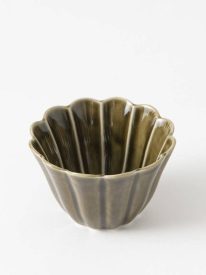
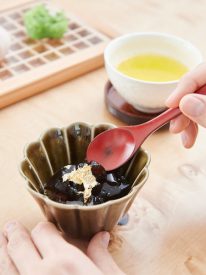
This kobachi small bowl features a chrysanthemum shape and the glossy khaki colored glaze, which enhances the fresh and delicious appearance of the served food. The size is perfect as kobachi to serve any side dish, such as sunomono(vinegared food) , aemono(seasoned or sauced food) and nimono(simmered food) individually.
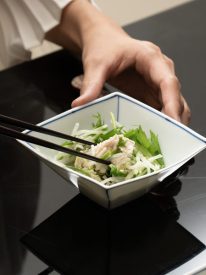
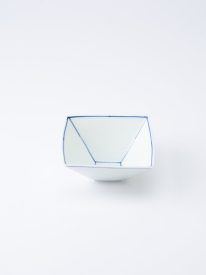
This kobachi bowl is perfectly suited for serving side dishes. The lines drawn along the rim accentuate the bowl elegantly. Employing a technique of “Sometsuke” (underglaze cobalt blue) painting on a base brilliantly fired to a pure white, each piece is meticulously crafted, embodying the essence of Seto Sometsuke ware. Though square, the form exhibits…
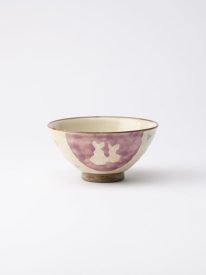
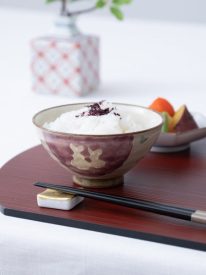
A beautifully handcrafted children’s rice bowl with an authentic Japanese feel. The charm of this rice bowl is in the hand-painted drawings.Two bunnies sitting side-by-side on a pink semi-circle with an Arabesque design are hand drawn on each piece. And differing shades of pink can be enjoyed with the watercolor painting style. The bunnies and…
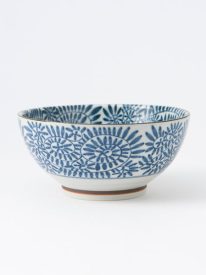
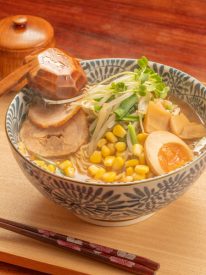
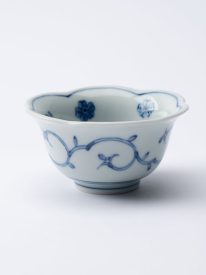
A multitude of leafy curlicues creates a stunning, deep indigo blue arabesque motif on this Japanese bowl. The design of simplified leaves over spiraling vines fills not only the outside, but also the inside the bowl, for a playful ornamental effect. Due to their natural tendency to keep growing, vines are considered to be a…
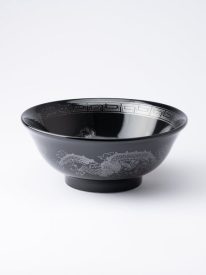
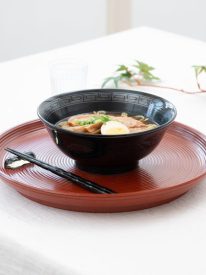
This regular-sized Mino ware ramen bowl features a glossy black background with an elegant silver dragon painted on the sides and bottom. In Asian cultures, the dragon is an auspicious creature, symbolizing nobility and good fortune. Inside the bowl, the square spiral pattern, known as raimon in Japanese, is a traditional Chinese lightning design symbolizing…
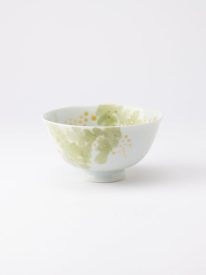
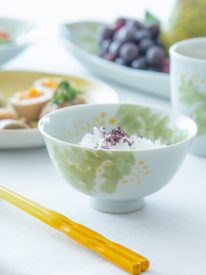
A beautiful mimosa design is painted on a white porcelain canvas. In places, small dots painted in gold are scattered throughout the design, adding a discreet accent to the overall design. The refreshing impression of this rice bowl will enlighten your table. It is painted by the female artist, Alyne Ohigashi, who was born in…
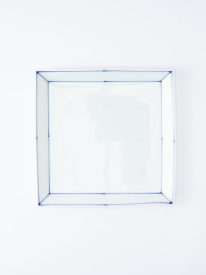
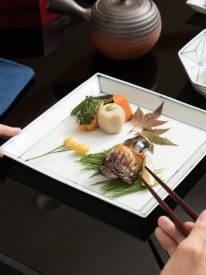
This square plate is perfectly suited for serving main dishes. The lines drawn along the rim accentuate the dish elegantly. Employing a technique of “Sometsuke” (underglaze cobalt blue) painting on a base brilliantly fired to a pure white, each piece is meticulously crafted, embodying the essence of Seto Sometsuke ware. Since the painting is done…
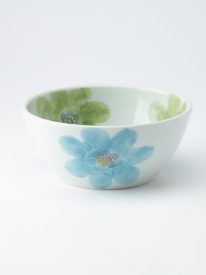
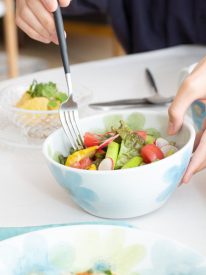
This delightful Tobe ware donburi bowl features soft floral patterns in shades of grassy green and light blue, with subtle gold accents. Applied through the unique washi-zome technique, the floral design brings a watercolor-like softness to the white porcelain surface. With a 16.7 cm (6.6 in) diameter, it’s perfect for serving salads, soups, and noodles….
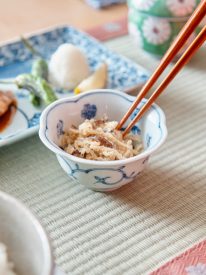
This elegant petal-rimmed kobachi small bowl is crafted by Takayama, renowned for Hasami porcelain. In the classic blue and white of sometsuke, it features an interior pattern of a blooming peony surrounded by waves and gently falling sakura. The exterior is adorned with karakusa scrollwork of budding vines. This pattern has long been cherished in…
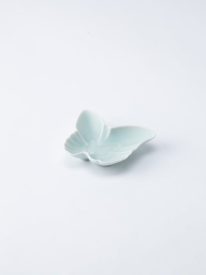
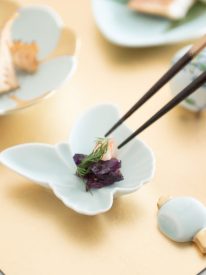
This butterfly-shaped sauce plate features a graceful matte celadon texture that conveys tenderness the moment you touch it, enhanced by a moist and gentle surface finish. The butterfly’s wings are designed asymmetrically, creating a vivid appearance that adds a sense of movement to the piece. With its distinctive shape, this plate catches the eye on…
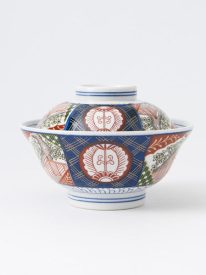
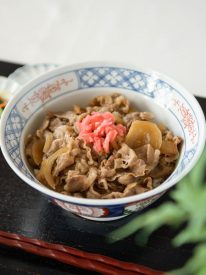
This regular-sized Japanese donburi rice bowl features sakura, or cherry blossoms, framed by dark blue, lattice-like patterns, all rendered in the traditional nishiki-e style. Nishiki-e, meaning “brocade picture,” is a multi-colored woodblock print technique that revolutionized ukiyo-e during the Edo period (1603-1868 CE), when most prints were in black and white. The lid helps keep the…
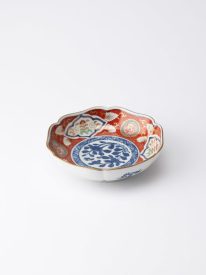
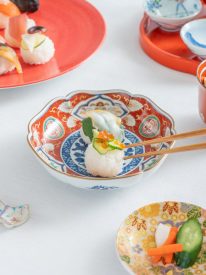
This mokko-shaped small bowl features a modern interpretation of the traditional classic patterns of old Imari. Mokko is the name for a round squarish shape and is considered an auspicious shape which represents family prosperity. “Aka” means red and “dami” is the name for the technique where the artist first outlines the area to be…

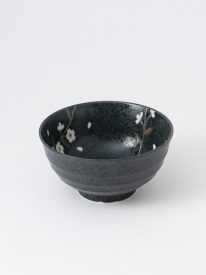 Sakura Donburi Bowl M
 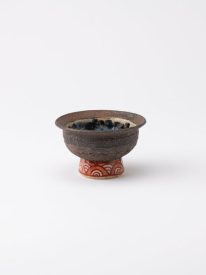 Kousai Kiln Flower Hasami Kobachi Bowl