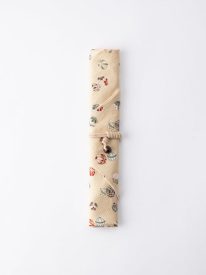
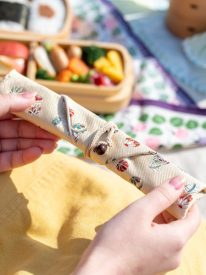
This gorgeous chopstick case is decorated with a pattern of a temari ball (traditional Japanese handball) motif. The ideal chopstick length is 23.5 cm (9.3 in), but the case provides enough space to securely wrap chopsticks up to 24 cm (9.4 in) in length, including the tips. A cap for the chopstick tip is included for…
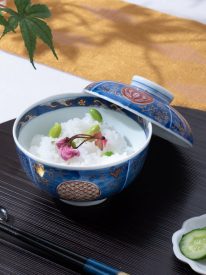
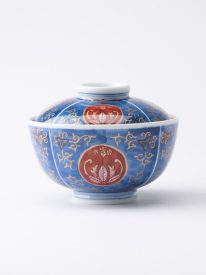
This kobachi small bowl is decorated with hand-painted shades of blue, featuring gold arabesque patterns and round traditional motifs in red and green. The same design is painted on the interior top surface. Sized perfectly for serving rice, the bowl is also suitable for simmered dishes. The lid helps retain warmth, and its traditional, elegant design…
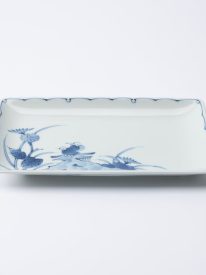
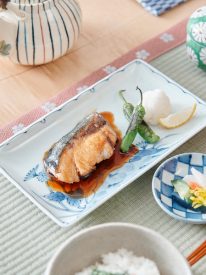
This long rectangular dinner plate featuring a design of kacho-sokaflowers, birds, and plantsis crafted by Takayama, renowned for Hasami porcelain. It is delicately adorned with two small birds and various floral motifs, capturing the beauty of Japan’s natural world and reflecting a deep cultural appreciation for nature. The plate’s size is perfect for serving sushi,…
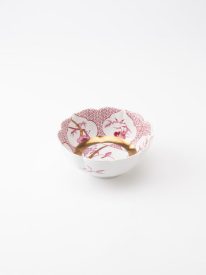
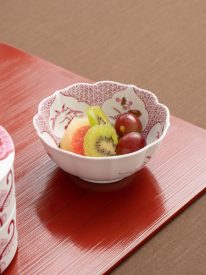
Hundreds of years of skill and technique are carefully crafted in this hand-size kobachi small bowl in wine red. The design is arranged with traditional auspicious patterns, making the tableware suitable for the modern dining scene. The sides of the bowl are shaped like the petals of a flower giving the bowl an elegant look….
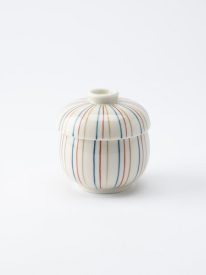
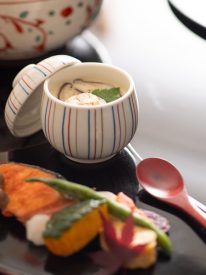
Enjoy delicious chawanmushi, Japanese steamed egg custard, in this beautiful Arita ware chawanmushi bowl. This Chawanmushi bowl is painted in the “Tokusa (Horsetail)” pattern which is a classic motif that has been beloved since the Edo period (1603 CE – 1867 CE). Its straight-growing appearance symbolizes wishes for growth and prosperity. And the three subdued colors…
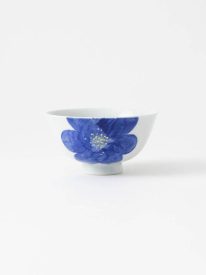
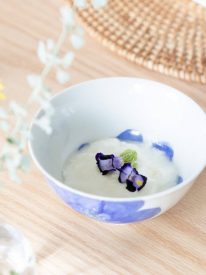
This beautiful rice bowl features soft blue flowers as if painted with watercolors. The bright design resembles blooming flowers, bringing joyful atmosphere on the table. It is painted by the female artist, Ohigashi Alyne, who was born in Philippines. She uses a unique technique called washi-zome (Japanese paper dyeing) and continues her ideal stoneware-making in Higashi…
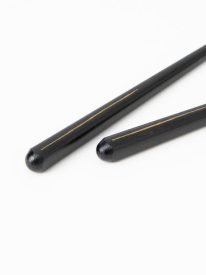
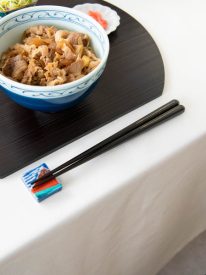
These chopsticks are made of ebony, a famous wood with a sense of luxury and dignity. The gold line in the center of the chopsticks adds a nice accent, giving them a simple yet modern impression. Ebony has become increasingly rare over the years, and its use as a material for chopsticks is decreasing. The…
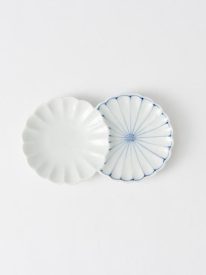
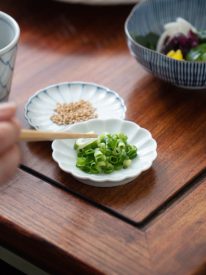
This unique small plate is shaped like two chrysanthemums joined together. One of them features radiating lines colored in indigo blue. Its shape and design make it perfect for serving soy sauce and small relishessuch as spring onions, wasabi, ground ginger, and sesame seedsthat are commonly served with soy sauce when enjoying sashimi or sushi.
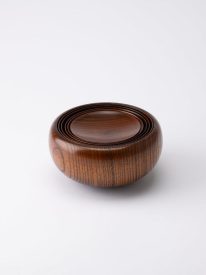
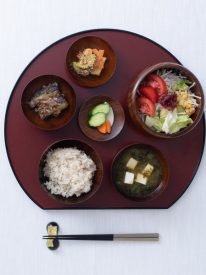
“Oryoki”, is a functional set of bowls designed to minimize waste in daily life in the practice of Zen Buddhism. It is increasingly attracting attention for its easy-to-use, functional and minimalistic design at the modern table. Starting with the larger bowl, the smaller ones are stacked completely on top of each other in order to allow…
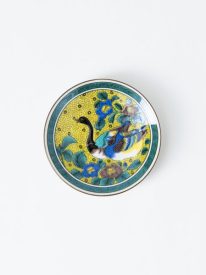
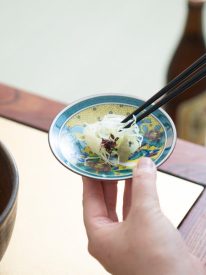
This Japanese sauce plate features a duck in beautiful Yoshidaya style, one of the most famous traditional style of Kutani Ware. Kutani ware uses a brush for painting with Japanese coloring paint, as you can see the painted bird is slightly thickened and standing out. Perfect size as a sauce plate. It is versatile to…
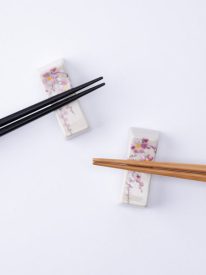
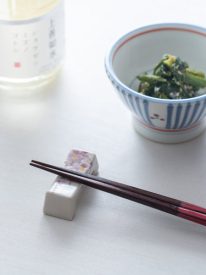
A pair of chopstick rests by Hozan Kiln depicting weeping cherry blossoms. This set is footed and tall, giving an elegant look, and the design is also painted on the side. The cherry blossoms are beautifully rendered in shades of pink, and although small, it will make an eye-catching piece in your dining room. With…
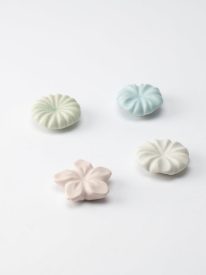
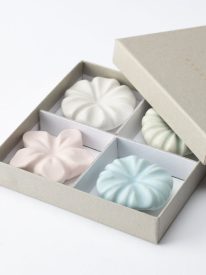
A set of four chopstick rests from the RINKA series with flower shapes. The restrained matte texture of these chopstick rests is beautifully crafted, showing the fine handiwork. Each is covered with four different pale glazes, white, pink, blue, and green, reminiscent of delicate “Wagashi”, traditional Japanese sweets. Usukiyaki is produced using a technique called…

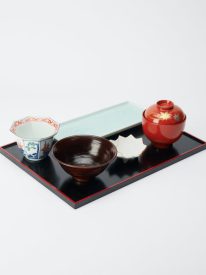 Auburn Maple Dinnerware Set
 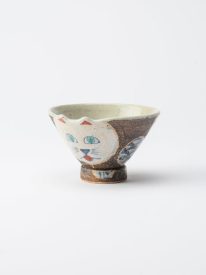 Kousai Kiln Playful Cat Hasami Japanese Rice Bowl
 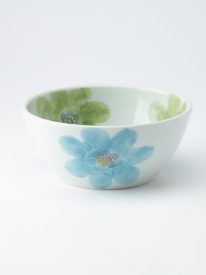 Light Fleur Donburi Bowl M
 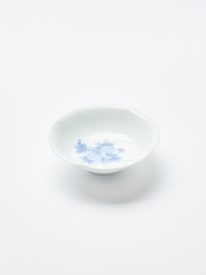 Pomegranate Kobachi Small Bowl
 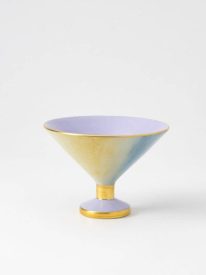 Ukiyo Blue and Yellow Kobachi Small Bowl with Leg
 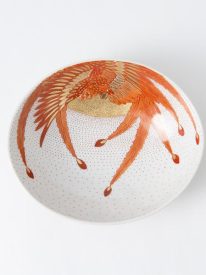 Akae Red Phoenix Kutani Oval Bowl
 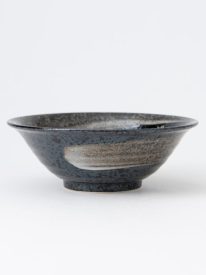 Brush Ramen Bowl M