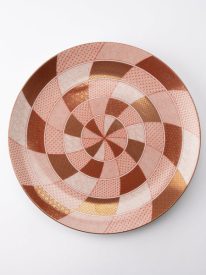
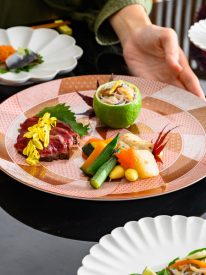
A simply stunning plate with finely detailed traditional patterns in various shades of red decorated with gold. Akae, or “red painting,” is one of the classic techniques of Kutani Ware. Detailed patterns with differing shades of a red pigment are added to the Kutani ware that fully cover the surface of the item. To add…
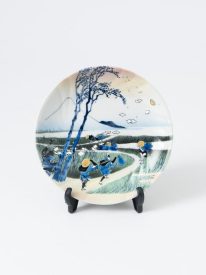
The plate depicts Hokusai’s famous Ukiyoe work, “Sunshu Ejiri“. “Ejiri” is located in what is now Shimizu City, Shizuoka Prefecture. This work shows Hokusai’s talent to capture the moment, such as the lively motion of wayfarer withstanding the wind. With the combination of Kutani ware with the masterpiece of the genius artist Hokusai Katsushika, the…
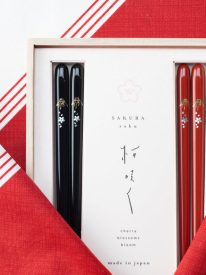
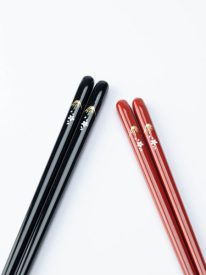
Embrace the refined artistry of Matsukan with these chopsticks, adorned with the design of the iconic Mt. Fuji and cherry blossoms, or sakura in Japanese. The striking contrast of black and deep red provides a dramatic canvas and showcases Japan’s renowned peak in a delicate and impactful manner. The intricately drawn cherry blossoms on the…
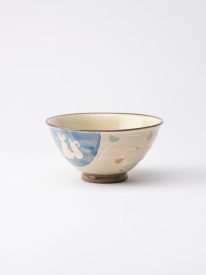
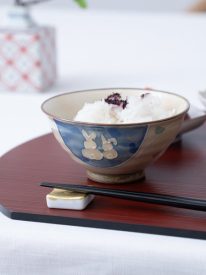
A beautifully handcrafted children’s rice bowl with an authentic Japanese feel. The charm of this rice bowl is in the hand-painted drawings.Two bunnies sitting side-by-side on an Indigo blue semi-circle with an Arabesque design are hand drawn on each piece. And differing shades of Indigo blue can be enjoyed with the watercolor painting style. The…
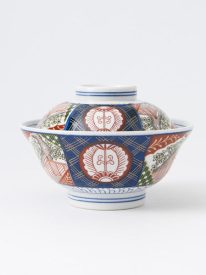
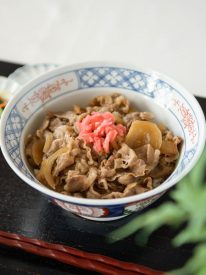
This regular-sized Japanese donburi rice bowl features sakura, or cherry blossoms, framed by dark blue, lattice-like patterns, all rendered in the traditional nishiki-e style. Nishiki-e, meaning “brocade picture,” is a multi-colored woodblock print technique that revolutionized ukiyo-e during the Edo period (1603-1868 CE), when most prints were in black and white. The lid helps keep the…
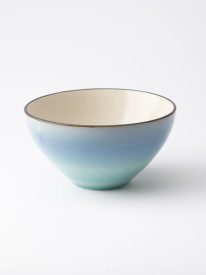
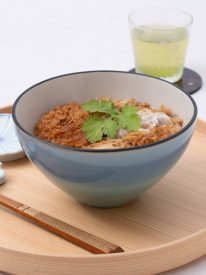
Elegant and modern, this medium bowl features a stunning gradient of blue hues. This donburi bowl showcases the distinctive crack-like texture of kannyu, a crazed surface formed by the differing expansion rates of clay and glaze. These delicate patterns add depth and character to the design. In addition to its striking appearance, the bowl is highly…
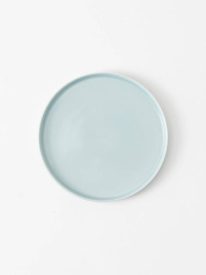
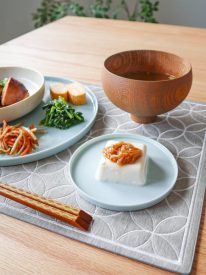
This Japanese plate has light shades of celadon glaze that looks like a white porcelain covered with thin ice. It is created by Taniguchi Seidojo, one of the companies which are dealing premium Kutani ware clay. It is 12 cm (4.7 in) diameter and perfect for serving cheese, nuts, desserts and fruits. You may use…
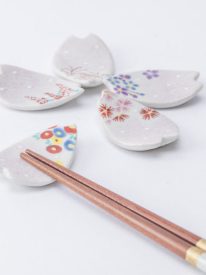
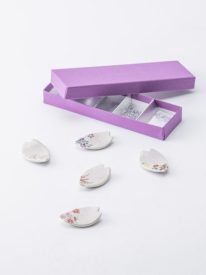
Create an eye-catching addition to your dining room with this set of five chopstick rests. Each one is crafted in the shape of petals and features an ornate design depicting seasonal flowers, from dianthus to pampas grass. The soft pearl hue gives an air of elegance. Although small, it will make an eye-catching piece in…
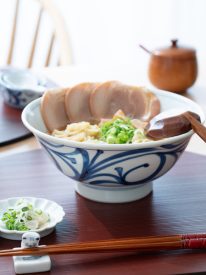
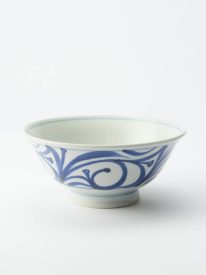
A stunning hand-painted arabesque design is rendered in indigo over the sturdy white porcelain of this large ramen bowl. The signature tsuketate technique, where each stroke is applied in a single motion without outlines, enhances the flowing, dynamic pattern. The bowl’s robust build makes it resistant to breakage and suitable for both microwave and dishwasher…
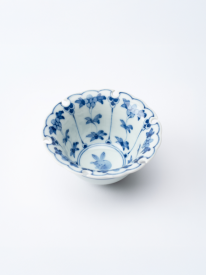
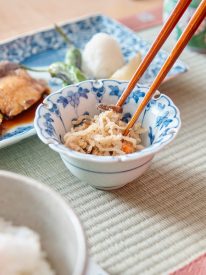
This elegant kobachi small bowl is crafted by Takayama, renowned for Hasami porcelain. In the timeless blue and white of sometsuke, it features at its center an adorable rabbita lovely discovery for the diner once they’ve eaten the cuisine inside. Surrounding the sides is a traditional wari-kusabana pattern: stemmed flowers and grass separated from each…
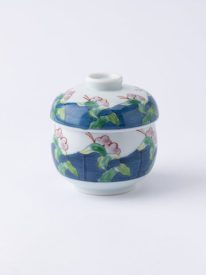
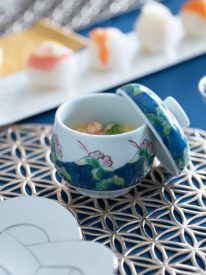
This chawanmushi (Japanese steamed egg custard) bowl has a purple flower painting in a round form. If you make chawanmushi with it, you can enjoy the authentic taste of this delicious egg custard and the atmosphere of a Japanese restaurant. When the lid is removed, the bowl can also be used as a small kobachi…
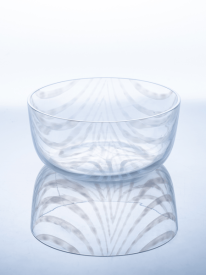
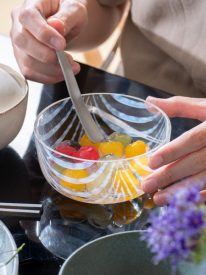
This is a glass bowl with makiage pattern from the Taisho Roman glass series by Hirota Glass, a long-established glass manufacturer in Tokyo. Makiage is a traditional tie-dyeing technique used in kimono making. This method creates intricate patterns that convey an aura of elegance and grace. This pattern is created by the aburidashi “invisible ink” technique,…

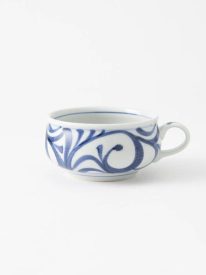 Arabesque Soup Bowl
 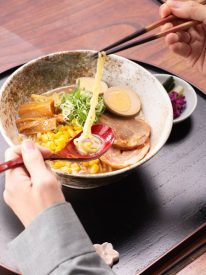 Snow Shino Mino Ware Ramen Bowl M