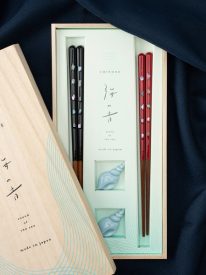
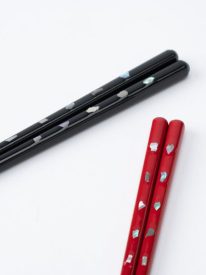
These chopsticks from Matsukan’s Sound of the Sea series are half-coated in lacquer, allowing the natural wood grain and color to be visible. Lightweight and easy to use, they crafted using a technique called raden, where shimmering pieces of mother-of-pearl are embedded into the coating. The chopstick rests are made with a seashell-shaped mold originally…
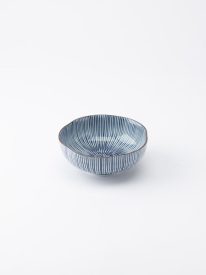
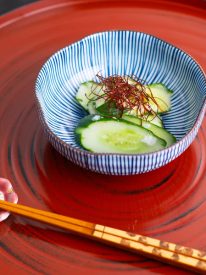
This small bowl is designed with a “Tokusa” pattern drawn by hand with a broom-like brush to make the thin blue lines centering to the middle of the bowl. The undulating sides give the kobachi bowl extra shine and a beautiful shape. The kobachi bowl is small bowl for a single serving of an appetizer…
This round celadon plate is generously sized and its depth makes it ideal for serving various dishes at family gatherings or parties. Celadon porcelain, with its beautiful gradient from white to light blue, enhances dish presentation and imparts a cool, refreshing feel. Ideal for colorful dishes like small Japanese sweets, it captivates on the table….
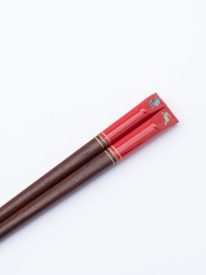
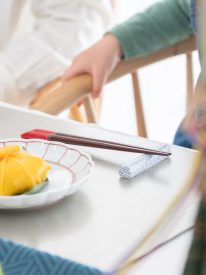
These are children’s chopsticks made of natural wood and lacquer. The top part of the chopsticks is a vibrant scarlet red color and is adorned with a gleaming rabbit motif made of natural abalone shell. Three gold rings accentuate the transition into the rich brown color of the lacquered wood. The size is suitable for children…
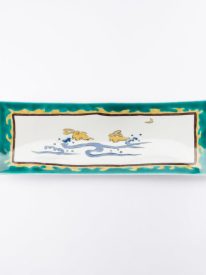
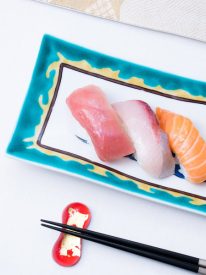
This rectangular platter, painted in the Ko-Kutani (old Kutani) styleone of the most distinguished painting styles of Kutani warefeatures two rabbits and a flowing stream of water. Completely hand-painted, the vibrant colors stand out beautifully against the pristine white background, creating a striking contrast. Even the foot of the platter is finished in green, showcasing…
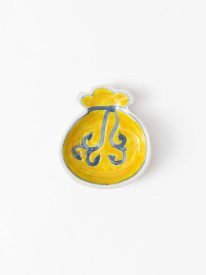
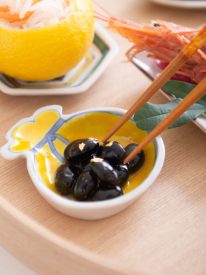
This small plate is shaped like a treasure bag, an auspicious motif symbolizing wealth and good fortune. Often depicted in art and crafts, it represents an endless source of riches and blessings. With its charming form and meaningful design, it adds a touch of tradition and elegance to your table. Perfectly sized as a sauce…
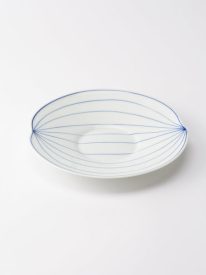
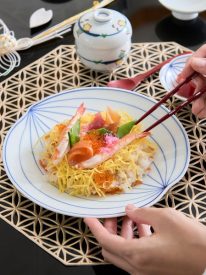
On this large white porcelain plate, lines in sometsuke “Blue and White” style form smooth and elegant curves, representing leaf veins. These lines are hand-painted by artisans, with subtle variations in thickness and shade making each unique. When using this plate, you can feel a closeness to nature. Sometsuke is a technique that applies indigo color…
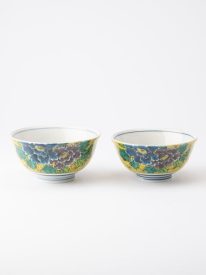
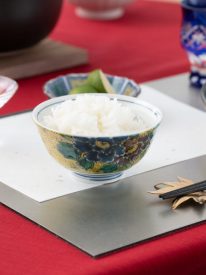
Enjoy hot fluffy rice with these colorful rice bowls designed in the traditional Yoshidaya style. The entire surface of the rice bowls are decorated with bold and beautiful images of large peonies with detailed paintings of plum blossoms on a vivid yellow base. Countless numbers of tiny dots fill in the space between the plum…
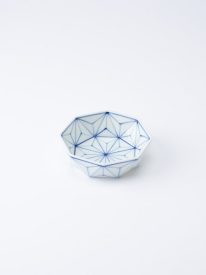
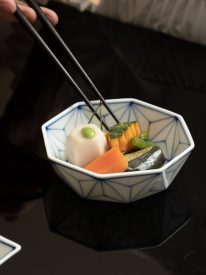
This Kobachi bowl features the traditional Japanese hemp leaf pattern. The hemp leaf is considered as a symbol of good luck meant to ward off evil and is commonly used on kimono and tableware. Employing a technique of “Sometsuke” (underglaze cobalt blue) painting on a base brilliantly fired to a pure white, each piece is…
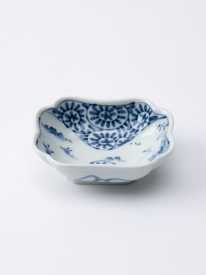
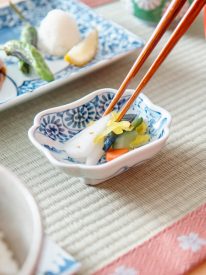
This indigo-dyed, rectangular kobachi small bowl is crafted by Takayama, a renowned maker of Hasami porcelain. The interior of the plate is delicately decorated with a serene landscape scene, beautifully framed by the traditional octopus arabesquetako karakusapattern. This design, featuring endlessly winding vines, has long been cherished in Japan as an auspicious motif symbolizing longevity and…
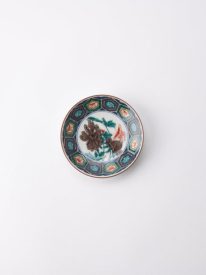
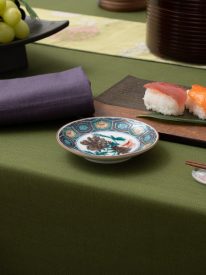
This sauce plate features a hexagonal pattern with peony in ko-Kutani (old Kutani) style, dating back to mid-17th century, depicting the nature-themed daring design and distinctive bright colors of Kutani ware. It is the perfect size as a sauce plate. It is also versatile to serve cheese, nuts, condiments, and other small food. Or you…
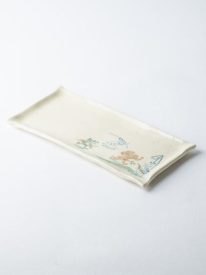
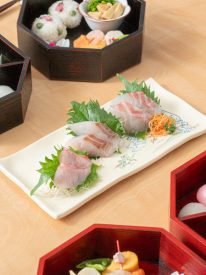
Featuring the distinctive “nami-yu” glaze, which is made from the ashes of the Kyoto forest, this rectangle plate has a natural base color in yellowish cream-white. It depicts the famous illustrated scroll named “Choju Giga” which is a caricature picture scroll depicting anthropomorphic animals and their playfulness, dating from the 12th to 13th centuries. Founded in…

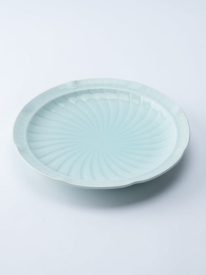
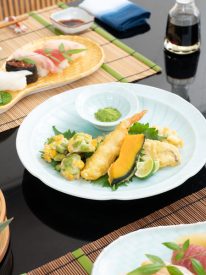
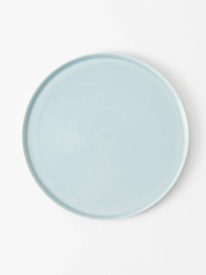 Givre Round Side Plate