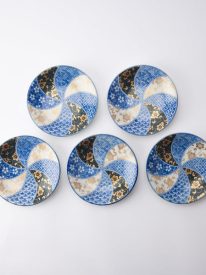
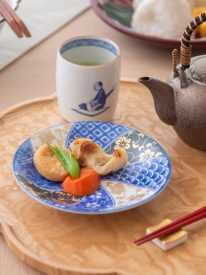
This Kutani round plate set of 5 features traditional Kutani patterns in blue and gold. These eye-catching patterns that spreads radially from the center will make the dish look beautiful and appealing. It is great for meals and teatime, perfect size as a bread plate, dessert plate, an extra plate, or a lovely saucer. See more…
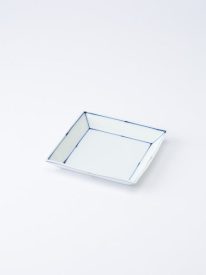
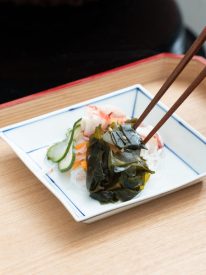
This square plate is perfectly suited for serving side dishes. The lines drawn along the rim accentuate the dish elegantly. Employing a technique of “Sometsuke” (underglaze cobalt blue) painting on a base brilliantly fired to a pure white, each piece is meticulously crafted, embodying the essence of Seto Sometsuke ware. Since the painting is done…
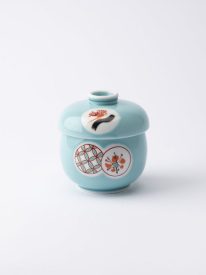
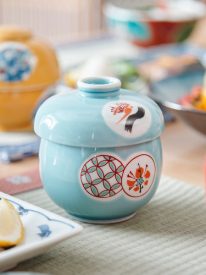
This chawanmushi (Japanese steamed egg custard) bowl has a traditional circle pattern called marumon. The transparent blue-green color unique to celadon porcelain is beautiful and contrasts elegantly with the red circle pattern. Tasei Kiln is a kiln that originally made chawanmushi bowls for restaurant use. If you make chawanmushi with it, you can enjoy authentic…
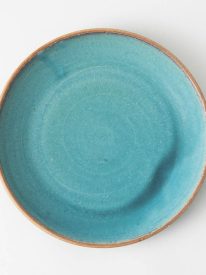
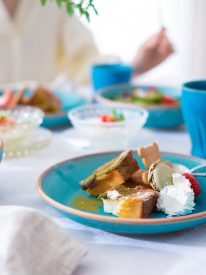
This simple and modern plate features a beautiful turquoise. The glaze’s appearance varies uniquely with each piece according to the conditions during firing, resulting in a naturally exquisite shade of blue. Highly versatile, this plate is suitable for serving salads, appetizers and main dishes. With its refreshing look, you may use it for cold udon…
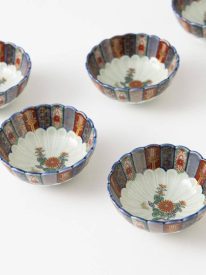
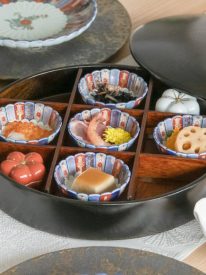
This kobachi small bowl set of 5 has a chrysanthemum shape decorated with patterns, which made by modern interpretation of old Imari. The perfect balance of vivid colors, gold and white makes it a classy and stunning piece. It is a great size as a kobachi serving side dishes such as sunomono (vinegared food), aemono (seasoned…
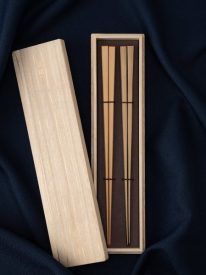
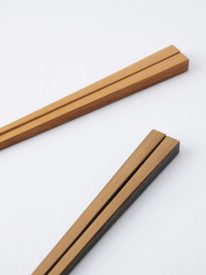
This set of bamboo chopsticks features the intricately crafted beauty of shiratake bamboo from Kyoto. A smooth and light-colored shine adorns one side of each chopstick, lending a traditional and elegant appeal. Enjoy their rustic natural charm in two subtle shades of brown. The bamboo comes from Muko City in Kyoto Prefecture, a renowned bamboo-producing…
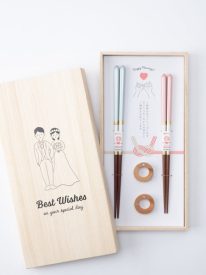
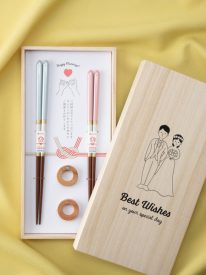
This set includes two pairs of chopsticks in a gentle pearly hue and two chopstick rests with a motif of wedding rings. Chopsticks used as a pair are popular as a wedding gift as they signify “a couple supporting each other and spending time together.” They are coated with urethane resin and are dishwasher-safe. These…
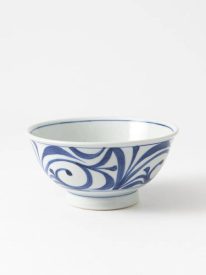
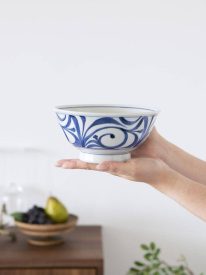
This ramen bowl features one of the signature motifs of Tobe ware. The graceful arabesque comes alive with the warmth of its dynamic hand-painted brushstrokes, inspired by nature and the striking contrast of indigo on porcelain white. Renowned for its durability and ease of use, Tobe ware is widely used in restaurants to serve Japanese…
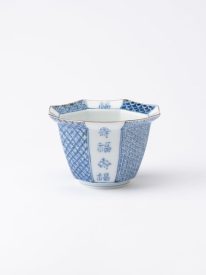
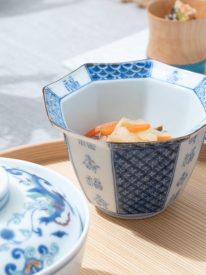
This kobachi small bowl is adorned with a fukuju pattern in the style of old Imari. Fukuju symbolizes happiness and longevity, with the design rooted in this auspicious character. The bowl has an octagonal shape with an outward-extending rim. Its depth makes it ideal for serving soupy dishes, as well as appetizers and desserts.
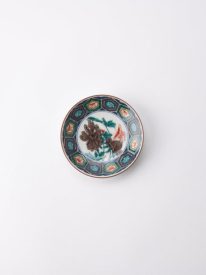
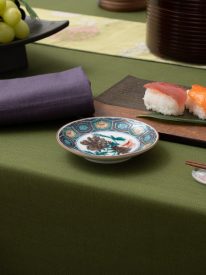
This sauce plate features a hexagonal pattern with peony in ko-Kutani (old Kutani) style, dating back to mid-17th century, depicting the nature-themed daring design and distinctive bright colors of Kutani ware. It is the perfect size as a sauce plate. It is also versatile to serve cheese, nuts, condiments, and other small food. Or you…
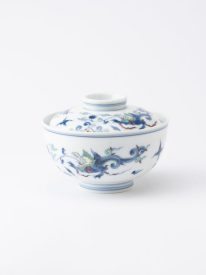
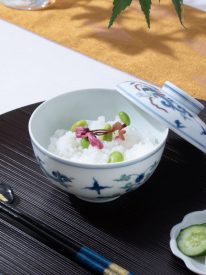
This kobachi small bowl with a lid is adorned with vibrant dragon and arabesque patterns, which stand out beautifully against white porcelain. Both dragons and arabesque motifs are considered auspicious and have been popular designs on tableware since ancient times. The bowl is perfectly sized for serving rice and is also ideal for simmered dishes. The…
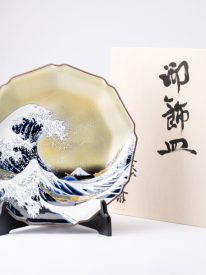
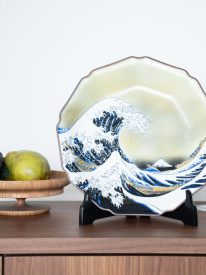
The large plate features the Japanese artist Katsushika Hokusai’s ukiyo-e painting The Great Wave, which depicts surging waves and three boats, and silently standing Mount Fuji in the distant background under the golden sky. Throughout his life, Hokusai painted waves as the main subject of his paintings along with Mount Fuji. Hokusai’s expression of the…

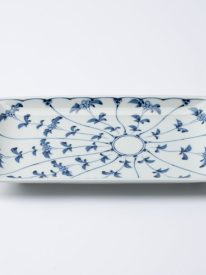 Stemmed Flowers Rectangular Dinner Plate
 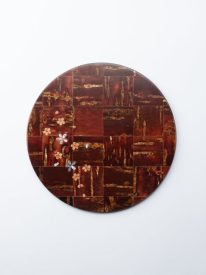 Yatsuyanagi Shell Inlay Checkered Pattern Akita Cherry Bark Work Plate 9.1 in
 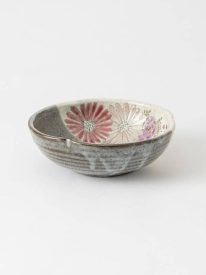 Brilliant Pink Flower Medium Bowl