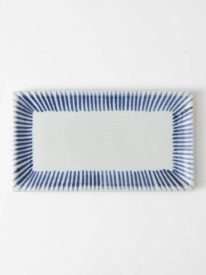
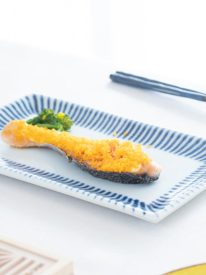
This rectangular plate features simple blue tokusa stripes, shaded with delicate hand-painting. Tokusa, inspired by the horsetail plant, symbolizes longevity in Japanese culture. The hand-painted indigo stripes along the edge add a subtle, elegant touch. The traditional and refreshing blue pattern, combined with the smooth texture of porcelain, makes every dish look more appetizing. It…
This bowl features the traditional Japanese hemp leaf pattern. The hemp leaf is considered as a symbol of good luck meant to ward off evil and is commonly used on kimono and tableware. Employing a technique of “Sometsuke” (underglaze cobalt blue) painting on a base brilliantly fired to a pure white, each piece is meticulously…
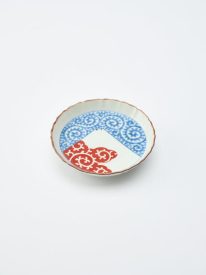
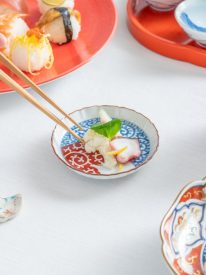
This sauce plate features swirling karakusa “arabesque” motifs that signify growth and longevity, alongside an iconic depiction of Mount Fuji. This plate features an 8 cm (3.1 in) flat center framed by a sharply contoured 1 cm rim. It showcases the somenishiki technique, where the plate is first glazed with intricate blue and white patterns before…
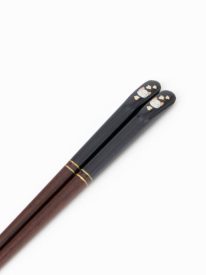
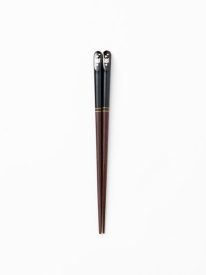
These are children’s chopsticks made of natural wood and lacquer, featuring gold maki-e, a traditional technique. The upper part of the chopsticks is cut diagonally and decorated with a cute cat and footprint pattern. They are suitable for children in the upper grades of elementary school. The tips of the chopsticks are square to make them…
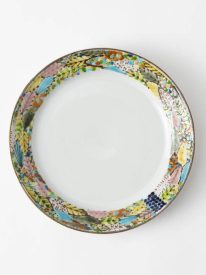
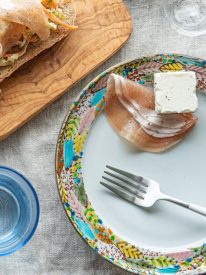
This nature-themed side plate is part of the Hamorebi series, meaning “sunlight filtering through leaves.” Each piece is beautifully hand-painted by female artisan Sakurai Chie. Using traditional Japanese coloring paintsa hallmark of Kutani warethe painted areas have a slightly raised texture, adding depth and character to the design. Perfect for serving small desserts, fruits, or…
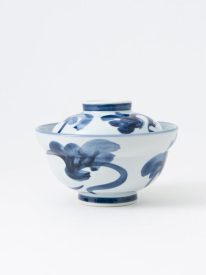
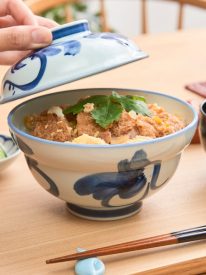
This small-sized Japanese donburi rice bowl features hand-painted turnips in indigo blue. The skilled brushwork exudes a sense of dynamism, perfectly capturing a blend of charm and grace. The lid ensures the dish remains flavorful by keeping the food warm and steaming the ingredients. The bowl is perfect for a variety of donburi dishes, such…
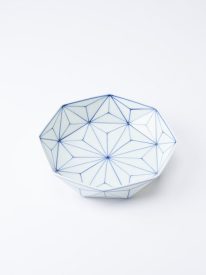
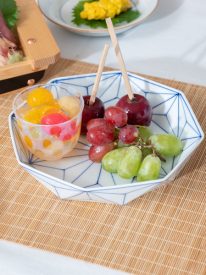
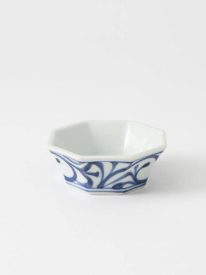
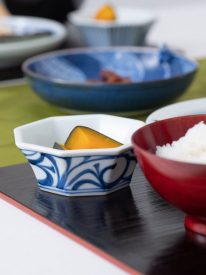
This octagonal kobachi small bowl features a hand-painted arabesque pattern, a representative motif of Tobe ware. The deep indigo shade adds a hint of modern elegance. Perfect for serving small portions of side dishes like tangy sunomono or simmered nimono, it’s also suited for a scoop of ice cream or fresh fruit. The octagonal rim…
This chawanmushi (Japanese steamed egg custard) bowl has a traditional circle pattern called marumon. The transparent blue-green color unique to celadon porcelain is beautiful and contrasts elegantly with the red circle pattern. Tasei Kiln is a kiln that originally made chawanmushi bowls for restaurant use. If you make chawanmushi with it, you can enjoy authentic…
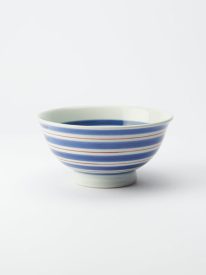
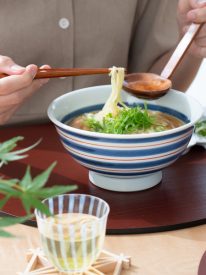
Thick blue and fine red lines alternate around the whole exterior of snow-white porcelain of this donburi bowl. The blue lines are drawn using the traditional gosu pigment, while the red accents enhance the design. The hand-painted blue patterns are made using the tsuketate technique, where each stroke is applied without outlines. This gives the bowl…
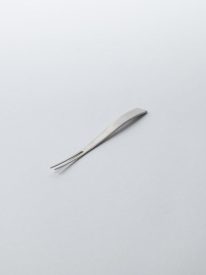
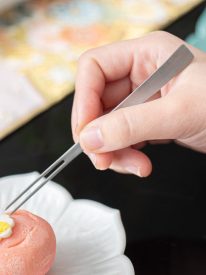
Introducing the fruit fork from the “URBAN” series, which harmonizes effortlessly with any type of dishware. It is produced in Tsubame-Sanjo, a region that accounts for 90% of metal utensil production in Japan. The entire fork is designed with a supple curve that resembles the flow of water. This curvature seems to comfortably adapt to your hand…
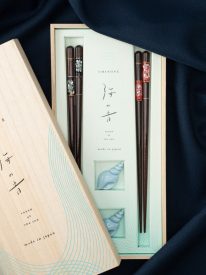
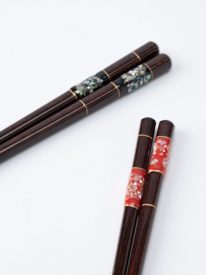
These chopsticks from Matsukan’s Sound of the Sea series are crafted using the raden technique, where intricate cuts of mother-of-pearl are embedded into the lacquer. Lightweight and easy to hold, their tips are finished with a non-slip surface. The chopstick rests are made with a seashell-shaped mold originally used for rakugan, a traditional Japanese confectionery. The…
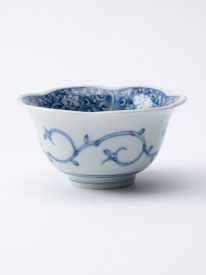
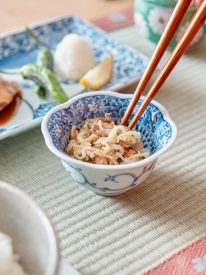
This elegant kobachi small bowl is crafted by Takayama, renowned for Hasami porcelain. In the classic blue and white of sometsuke, it features an interior pattern of richly swirling scrollwork, with additional vine-like arabesques toward the rim. This beautifully contrasts with a simple exterior of simple karakusa budding vines. Vine motifs have long been cherished…

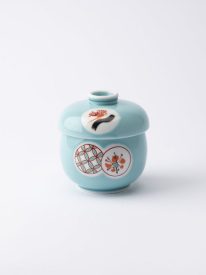
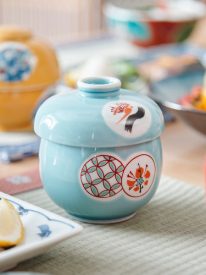
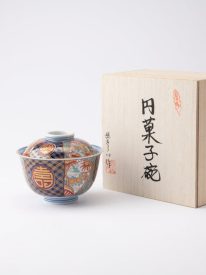 Yazaemon Somenishiki Kotobuki Pattern Kobachi Small Bowl with Lid
 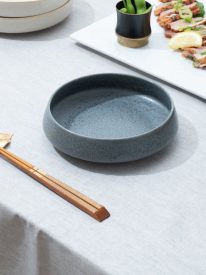 Kanoa Gray Deep Side Plate
 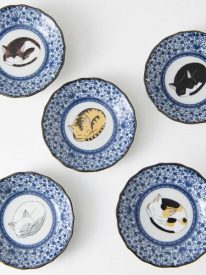 Sleeping Cat Kutani Sauce Plate Set