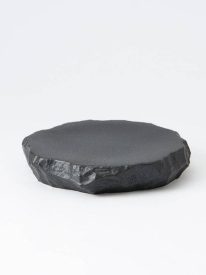
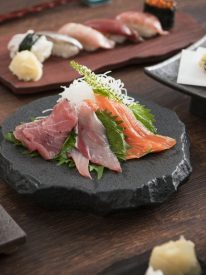
This unique and modern dinner plate has a beautiful crystal rock-like matte black texture. The design, which looks like a real rock, gives the dining table a surprising and strong impression. Incorporating natural motifs into your dining table can also create a sense of seasonality. Perfect for serving appetizers, both main dish and side dish….
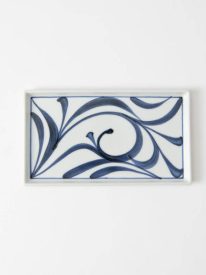
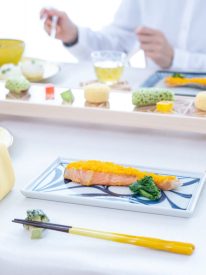
This rectangular dinner plate features a hand-painted arabesque pattern, one of the representative motifs of Tobe ware. The bold indigo design adds an elegant touch. The traditional yet refreshing blue pattern, combined with the smooth texture of porcelain, enhances the appeal of every dish. It works beautifully as a sushi plate, sashimi plate, tempura plate,…
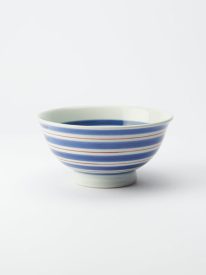
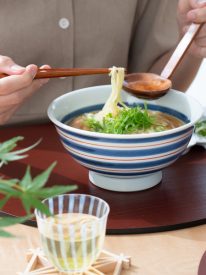
Thick blue and fine red lines alternate around the whole exterior of snow-white porcelain of this donburi bowl. The blue lines are drawn using the traditional gosu pigment, while the red accents enhance the design. The hand-painted blue patterns are made using the tsuketate technique, where each stroke is applied without outlines. This gives the bowl…
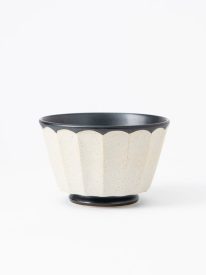
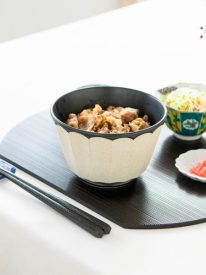
This regular-sized donburi bowl features a smooth, matte black glaze on the outer rim and inner surface, creating a striking contrast with the textured, natural clay on the faceted exterior. This combination of materials offers both a refined tactile experience and a visually sophisticated appeal. Its depth and straight sides help retain the food’s warmth…
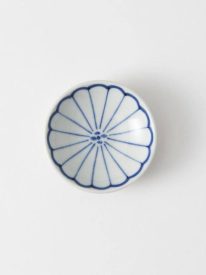
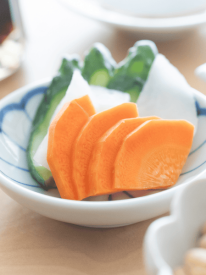
This sauce plate is crafted in a graceful chrysanthemum shape, accented with indigo brushworks that add the warmth and charm of hand-painting. Its compact size makes it ideal for serving sauces, garnishes, or small snacks like nuts and candies. You can also use it to present small portions of food or relishes, placing it on…
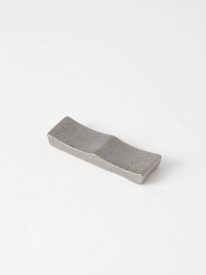
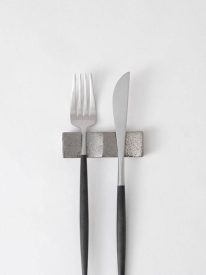
This elegant chopstick rest is adorned with delicate silver leaf, adding a touch of luxury to your table setting. It is crafted using the ginsai technique, in which a transparent glaze is applied over silver leaf before firing. This method ensures that the silver leaf remains intact and does not rust over time. The result…
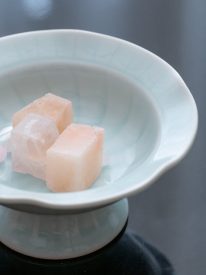
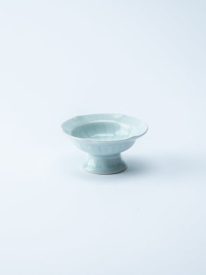
This footed kobachi small bowl is perfectly suited for serving petite portions of food or sweets. Its elevated stature introduces a sophisticated, dimensional quality to any table arrangement. Celadon porcelain, with its beautiful gradient from white to light blue, enhances dish presentation and imparts a cool, refreshing feel. The rim, designed with gentle curves that…
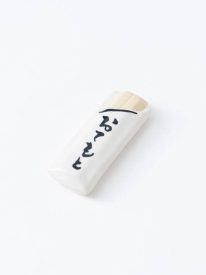
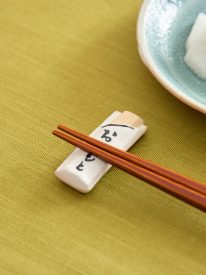
This chopstick rest is designed to resemble a chopstick wrapper, a familiar sight in restaurants. The word “otemoto” is written on the wrapper, a polite term often used to refer to chopsticks. Chopstick rests are an essential part of table settings. Though small, they offer a way to express personality and seasonal charm, whether chosen…
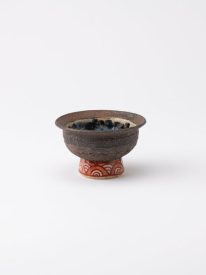
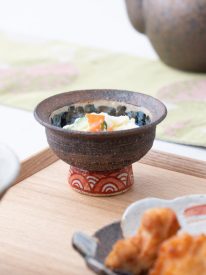
This Kobachi bowl has a rustic and warm atmosphere with a blue flower and arabesque painted inside. It also has a raised base with a red traditional pattern that brings the bright atmosphere to the dining table. The subtle texture created by “Yakishime”, which changes its appearance depending on the firing process, is impressive and gives…
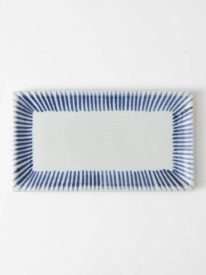
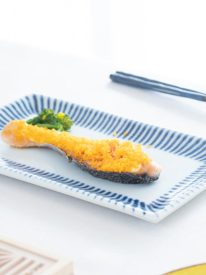
This rectangular plate features simple blue tokusa stripes, shaded with delicate hand-painting. Tokusa, inspired by the horsetail plant, symbolizes longevity in Japanese culture. The hand-painted indigo stripes along the edge add a subtle, elegant touch. The traditional and refreshing blue pattern, combined with the smooth texture of porcelain, makes every dish look more appetizing. It…
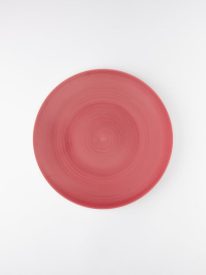
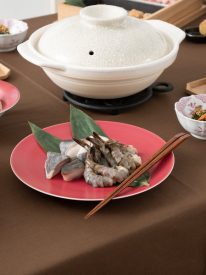
This beautiful red dinner plate, with its artisan brushed texture, gives it a sense of dignity and complements all kinds of dishes. It can be used as a main plate for any types of dish. Appetizers, salad, main dish are the perfect match. The gorgeous colors make it a great choice for layering with plates…
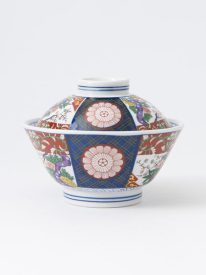
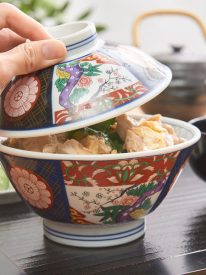
This small-sized Japanese donburi rice bowl features peonies, framed by dark blue, lattice-like patterns, all rendered in the traditional nishiki-e style. Nishiki-e, meaning “brocade picture,” is a multi-colored woodblock print technique that revolutionized ukiyo-e during the Edo period (1603-1868 CE), when most prints were in black and white. The lid helps keep the food warm and…

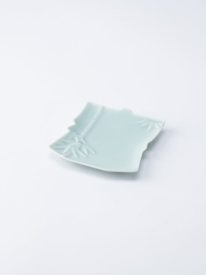 Moist Bamboo Leaves Sauce Plate
 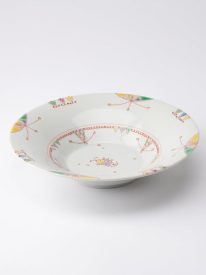 Fish and Circus Large Bowl
 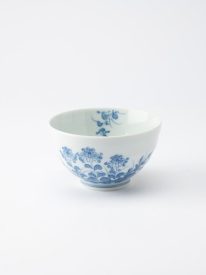 Chrysanthemum and Bush Clover Rice Bowl
 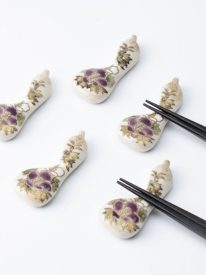 Hozan Kiln Hibiscus and Gourd Kyo Ware Chopstick Rest Set