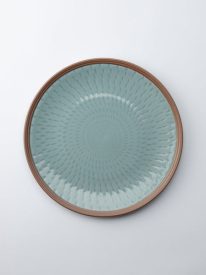
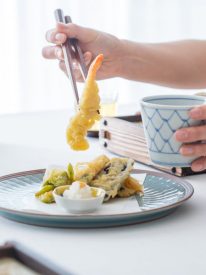
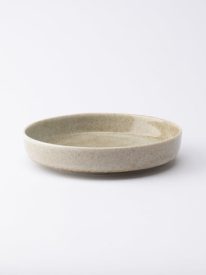
Featuring a round plate exposing the outlines of the red clay, an exquisite balance between the elegance of emerald celadon and the rustic red soil. The glazed surface is smooth with shallow grooves characteristic of “Tobikanna” (chattered pottery). A combination of a century old tradition of Kyoto Celadon pottery, and the folk craft of Kyushu Koishikawara ware,…
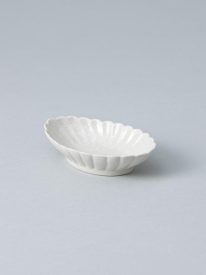
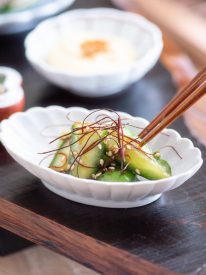
This chrysanthemum-shaped oval sauce plate features a matte white color, overlaid with a white speckled glaze that looks like snow. Chrysanthemum is a shape often used in Japanese tableware. Chrysanthemums have meanings such as “love” and “true strength” and are known as an auspicious motif. Perfect size as a sauce plate. It is also versatile…
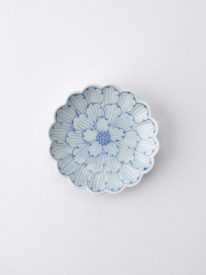
This easy-to-use chrysanthemum-shaped sauce plate showcases a boldly painted peony in blue. The chrysanthemum shape creates a gorgeous atmosphere. This plate is available in different designs, so you collect them for a more enjoyable table setting. Perfectly sized as a sauce plate, it is also versatile to serve cheese, nuts, condiments, and other small foods….
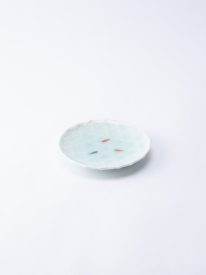
Enjoy the refined natural blue-green luster of celadon with this stylish side plate from Kosen Kiln. This porcelain piece captivates with its intricately woven basket-like design on both sides. The translucent glaze on the blue-jade hue of celadon, creates a tranquil atmosphere emanating from the plate’s glossy surface. Medaka rice fishes are depicted with such realism…
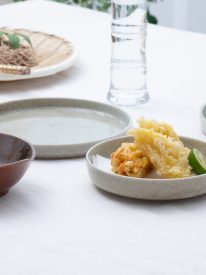
This is an easy-to-use plate that looks great in the dining room, as is typical of MERU, which specializes in dishes suitable for professional use. Measuring 16.4cm (6.5in), it is suitable for use as a serving dish for one person or for placing salads, appetizers, bread, fruit, etc. The rustic coloring often seen in Japanese…
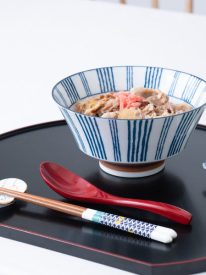
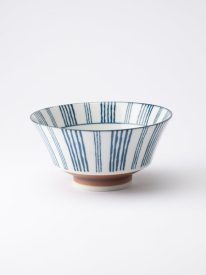
This regular-sized Japanese ramen bowl showcases a timeless blue-striped pattern that enhances a variety of table settings. Its sleek, straight silhouette offers a contemporary aesthetic, making it a standout choice among ramen bowls. With their irregular hand-painted touch, the vertical stripes follow the beautifully flared shape of the bowl accentuating the overall design. The inner…
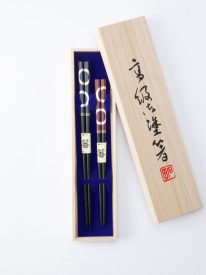
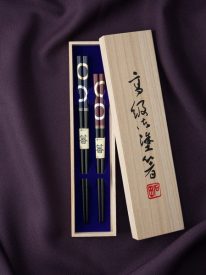
This set of stylish chopsticks features gold and silver circles on the handles, with a sleek black finish on the lower half. The circular designs and matte finish bring a modern touch to the traditional red and blue chopsticks, making them perfect for a couple. These chopsticks offer a smooth, comfortable grip with subtly textured…
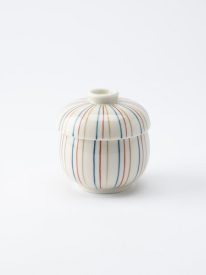
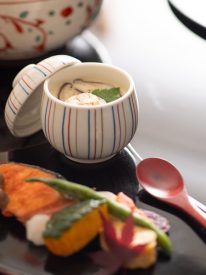
Enjoy delicious chawanmushi, Japanese steamed egg custard, in this beautiful Arita ware chawanmushi bowl. This Chawanmushi bowl is painted in the “Tokusa (Horsetail)” pattern which is a classic motif that has been beloved since the Edo period (1603 CE – 1867 CE). Its straight-growing appearance symbolizes wishes for growth and prosperity. And the three subdued colors…
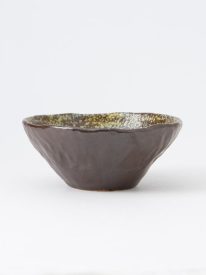
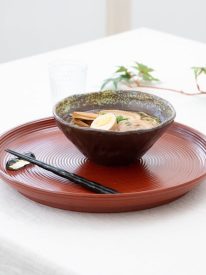
This regular-sized donburi bowl stands out with its rustic deep brown color, accented by soft yellow speckles along the inner rim. Shaped using a potter’s wheel, this piece has a pleasant weight and warmth to the touch that make it a pleasure to hold in one’s hands. The slightly textured surface offers a secure grip. …
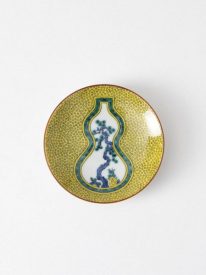
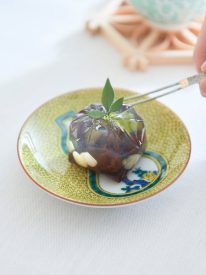
The Japanese plate features a large bottle gourd and a pine tree in Yoshidaya style. Perfect size as a sauce plate. It is also versatile to serve cheese, nuts, condiments, and other small food. Or you can put a small portion of food or containments in, place it on a larger plate or into a…
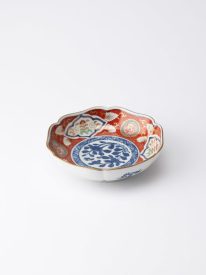
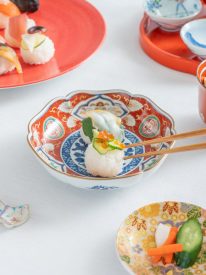
This mokko-shaped small bowl features a modern interpretation of the traditional classic patterns of old Imari. Mokko is the name for a round squarish shape and is considered an auspicious shape which represents family prosperity. “Aka” means red and “dami” is the name for the technique where the artist first outlines the area to be…
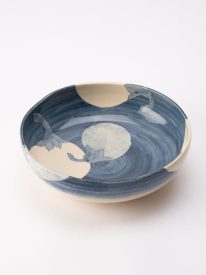
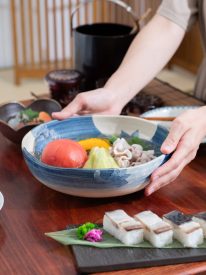
This bowl features round Kamo eggplants, a summer vegetable from Kyoto, in the serene blue and white of sometsuke. Kyoto vegetable designs are created by applying a water-resistant substance to outline the shapes. Then, gosu, a cobalt blue glaze, is hand-painted over the surface, leaving the protected areas untouched. After a second bisque-firing, delicate lines…

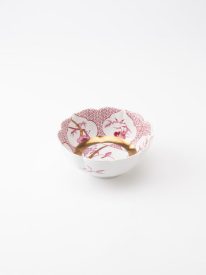 Japan Autumn Burgundy Flower and Bird Kobachi Small Bowl
 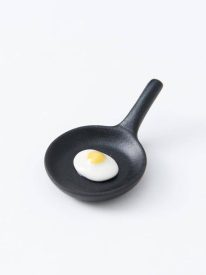 Frying Pan with Fried Egg Chopstick Rest
 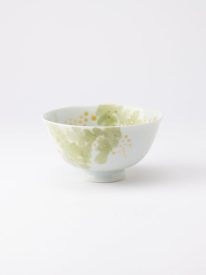 Mimosa Japanese Rice Bowl
 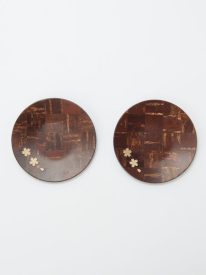 Checkered Pattern Side Plate Set
 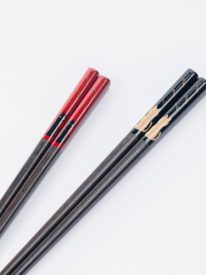 Cat and Fish Set of Two Pairs of Chopsticks
 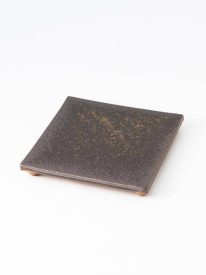 Ash Glaze Footed Square Side Plate
 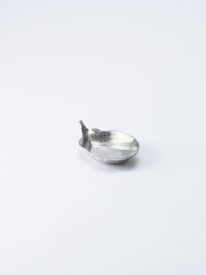 Tsubame Hutlery Silver Persimmon Leaf Amuse Bouche Spoon
 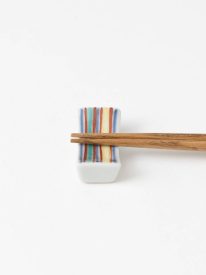 Colorful Stripe Chopstick Rest
 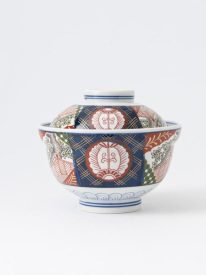 Nishiki Sakura Donburi Rice Bowl with Lid L
 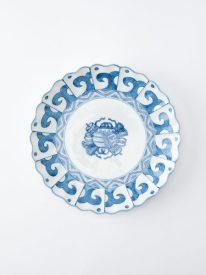 Shonzui-De Waves and Treasure Side Plate
 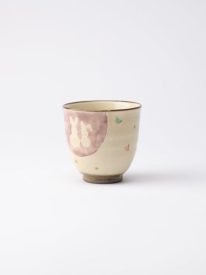 Aizen Kiln Pink Rabbit Hasami Children's Small Cup
 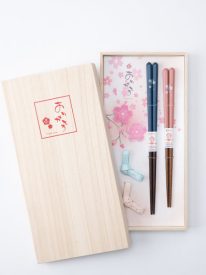 Arigatou Chopsticks Pair Set with Chopstick Rests
 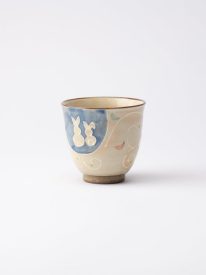 Aizen Kiln Indigo Blue Rabbit Hasami Children's Large Cup
 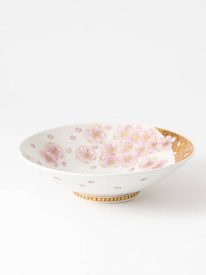 Kinrande Sakura Kutani Bowl
 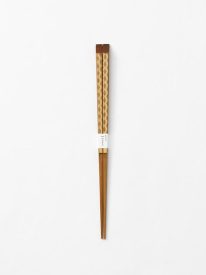 Yamachiku Crystal Lacquered White Bamboo Chopsticks 23cm/9.1in
 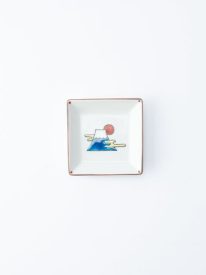 Blue Mt. Fuji Square Sauce Plate
 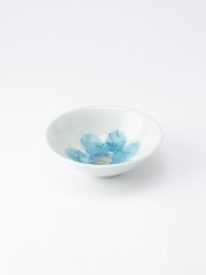 Light Fleur Kobachi Bowl
 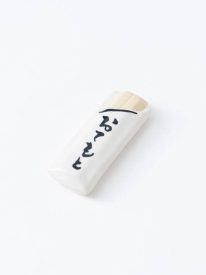 Otemoto Wrapper Chopstick Rest
 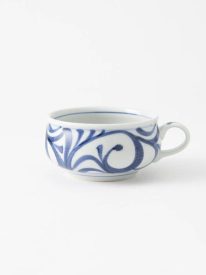 Arabesque Soup Bowl
 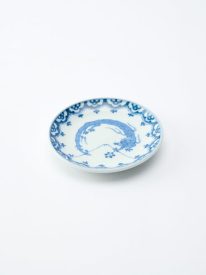 Dragon with Mt. Fuji Sauce Plate
 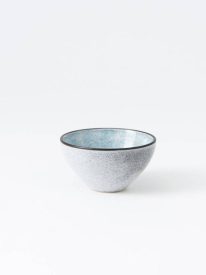 Raska Marin Modern Kobachi Small Bowl 3.1 in