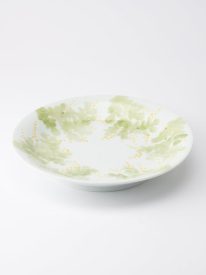
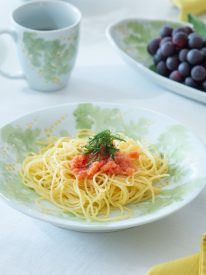
A beautiful mimosa design is painted on a white porcelain canvas. Small dots painted in gold are scattered, adding a discreet accent to the overall design. The refreshing impression of this plate is a perfect match for whatever you place on it. It is painted by the female artist, Alyne Ohigashi, who was born in…
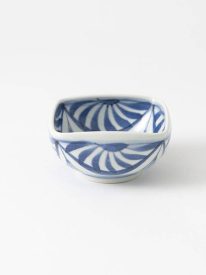
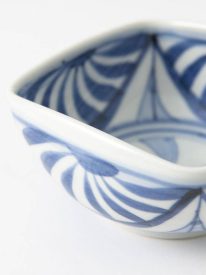
This square kobachi small bowl features a hand-painted chrysanthemum pattern with a modern, geometric design. The indigo shade adds a contemporary touch, while the natural motifs convey the warmth of hand-painting. It’s perfect for serving a variety of side dishes, such as tangy sunomono or slowly simmered nimono. The bowl’s shape stands out with its…
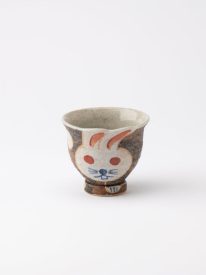
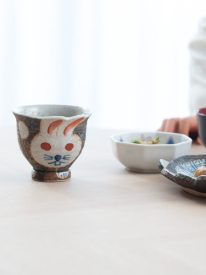
Put a smile on your face with this unique small Yunomi teacup from Kousai Kiln. This charmingly designed teacup is handmade combining the Shigaraki style “Yakishime(high-fired unglazed ceramics)” and traditional “Some-nishiki,” a technique where a?product is first glazed with white and blue patterns and then is further decorated with detailed hand-painted drawings.Stoneware items are…
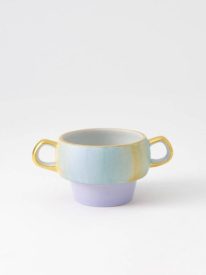
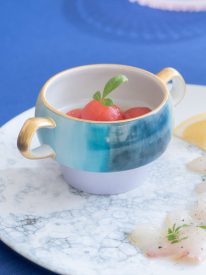
This elegant Japanese soup bowl is handcrafted by Kinzan Kiln. The beautiful gradation expands your imagination, such as the sky’s azure, the cosmic blue, the hazy spring light, or the clear light of early summer. The pale colors and delicate gold are perfectly match in this piece. This series named “Ukiyo” was inspired by the…
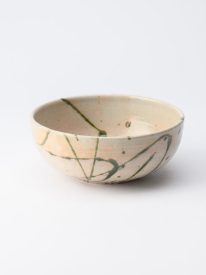
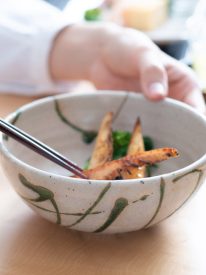
This bowl fascinates with its elegant water plant motif, the designs flowing naturally across the surface. The green glaze and abstract brushstrokes are characteristic of Yashichida Oribe ware. Tsujii Musashi, inspired by nature, infuses his creations with a subtle, rustic charm. The bowl’s refined beauty is further enhanced by gohondedelicate pinkish spots that appear naturally…
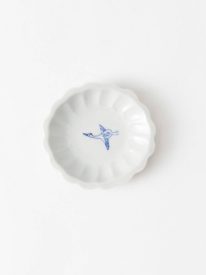
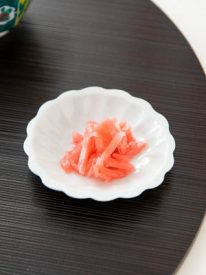
This chrysanthemum-shaped sauce plate features a gracefully painted Japanese crane, a symbol of longevity and vitality, making it a perfect choice for celebrations. Each piece is uniquely hand-painted by, giving the plate a warm and inviting texture. Ideal for serving sauces, it is also perfect for small snacks like nuts and candies. You can also…
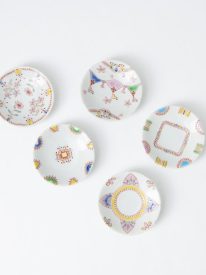
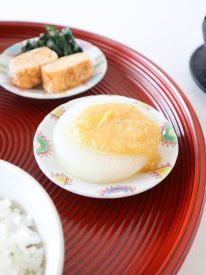
This set of five Japanese sauce plates features colorful patterns painted by artisans of Ginshu Kiln, which is especially known as its romantic and playful pastel colored painting. The painted areas have a slightly raised texture, a characteristic of Kutani ware, which is traditionally hand-painted using Japanese coloring pigments and a brush. Perfect size as…
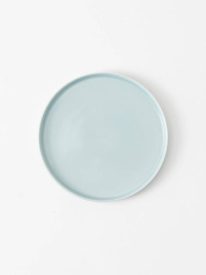
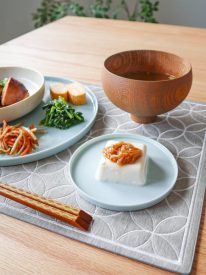
This Japanese plate has light shades of celadon glaze that looks like a white porcelain covered with thin ice. It is created by Taniguchi Seidojo, one of the companies which are dealing premium Kutani ware clay. It is 12 cm (4.7 in) diameter and perfect for serving cheese, nuts, desserts and fruits. You may use…
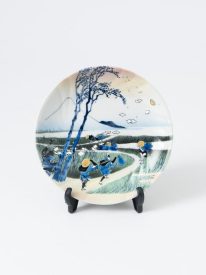
The plate depicts Hokusai’s famous Ukiyoe work, “Sunshu Ejiri“. “Ejiri” is located in what is now Shimizu City, Shizuoka Prefecture. This work shows Hokusai’s talent to capture the moment, such as the lively motion of wayfarer withstanding the wind. With the combination of Kutani ware with the masterpiece of the genius artist Hokusai Katsushika, the…
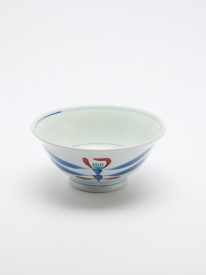
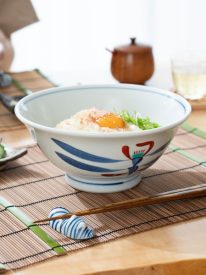
The hand-painted motif on this donburi bowl gracefully transitions between a flower and a dragonfly. The charming design is rendered in blue and red on white porcelain. Created using the tsuketate technique, where each stroke is applied without outlines, the design wins you over with its hand-painted touch and genuine creativity. The sturdy bowl is…
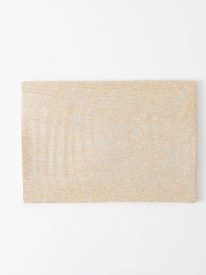
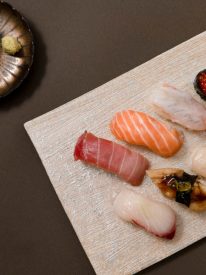
This modern, versatile plate showcases a textured white surface, crafted by layering shades of white paint to create depth and a sophisticated finish. Its sleek, minimalist design makes it an exceptional choice for presenting a range of dishes. Perfect for a single serving sashimi, sushi, or tempura, it also doubles as an elegant tray for…
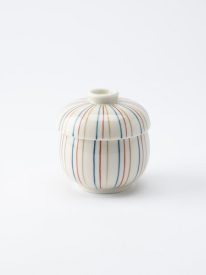
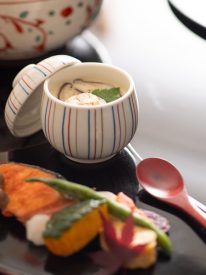
Enjoy delicious chawanmushi, Japanese steamed egg custard, in this beautiful Arita ware chawanmushi bowl. This Chawanmushi bowl is painted in the “Tokusa (Horsetail)” pattern which is a classic motif that has been beloved since the Edo period (1603 CE – 1867 CE). Its straight-growing appearance symbolizes wishes for growth and prosperity. And the three subdued colors…

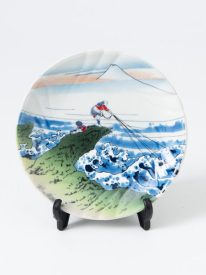 Hokusai Koshu Kajikazawa Decorative Plate
 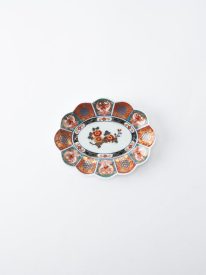 Old Imari Kinsai Chrysanthemum Oval Side Plate
 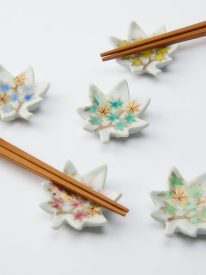 Hozan Kiln Kinsai Autumn Leaves Kyo Ware Chopstick Rest Set