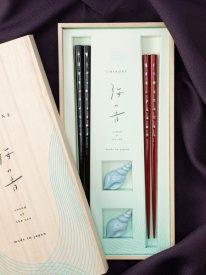
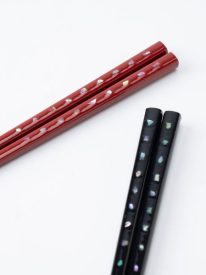
These chopsticks from Matsukan’s Sound of the Sea series are fully coated in lacquer, showcasing the raden technique, where shimmering mother-of-pearl is embedded into the surface. The accompanying chopstick rests are crafted using a seashell-shaped mold originally used to make rakugan, a traditional Japanese confectionery. After an initial ten layers of natural lacquer, shell inlays…
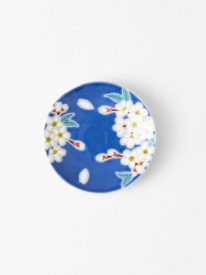
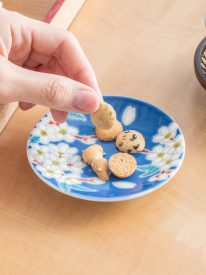
This is a Japanese small sauce plate featuring sakura (cherry blossoms). Cherry blossoms are the most popular flower among Japanese people. Nowadays it is a flower used for celebratory occasions such as passing exams, weddings, etc. Perfect size as a sauce plate. It is also versatile to serve cheese, nuts, condiments, and other small food….
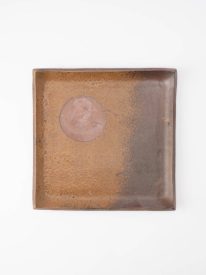
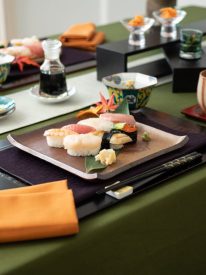
The Hozan Kiln Square Plate embodies the earthy textures and colors characteristic of Bizen ware. The term “botamochi” in the product name refers to a traditional round-shaped Japanese confectionery and is also one of the classic patterns found on Bizen ware pieces. This pattern is created by inserting round pieces of refractory clay between each…
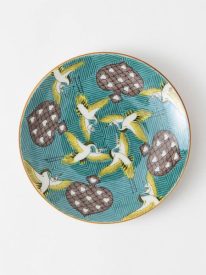
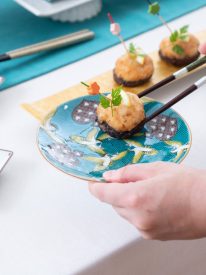
A sauce plate features flying Japanese cranes as if they are dancing. Kutani ware uses a brush for painting with Japanese coloring paint, as you can see the painted bird is slightly thickened and standing out. The crane is known to be a symbol of longevity and prosperity. The size is great as an extra plate….
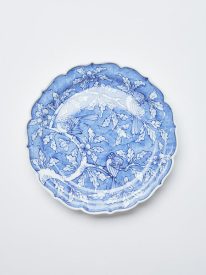
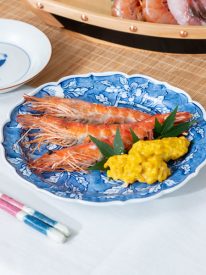
This Flower and Birds Bellflower Rim Dinner Plate is a splendid piece showcasing the artistry of hand-painted blue drawings on fine durable Mikawachi porcelain. The rim is made in the shape of petals of bellflowers and the dynamic curves of branches are a sign of sophistication. As the flowers and leaves elegantly sprout across the…
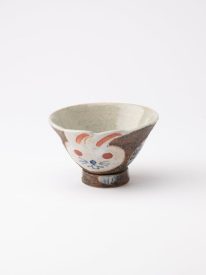
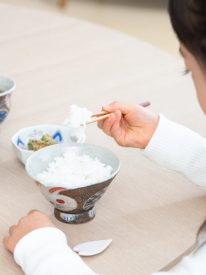
Enjoy eating rice from this bowl with the cute bunny rabbit from Kousai Kiln. This charmingly designed rice bowl is handmade combining the Shigaraki style of yakishime (high-fired unglazed ceramics) and the traditional somenishiki, a technique where a product is first glazed with white and blue patterns and then is further decorated with detailed hand-painted drawings. Stoneware…
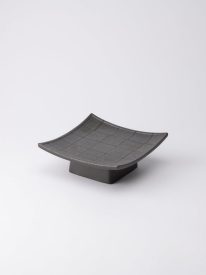
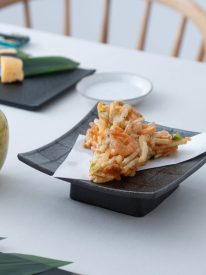
This modern Japanese footed plate features a beautiful checkered pattern in a soft, lustrous silver. The color is achieved using a technique called ginsai, with a charcoal-smoked finish. The high foot design adds a sense of elegance and rhythm to the dining table. Ideal for serving appetizers, main dishes, and side dishes, it’s also perfect…
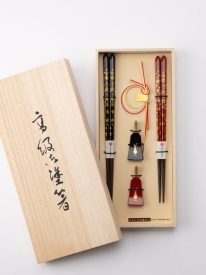
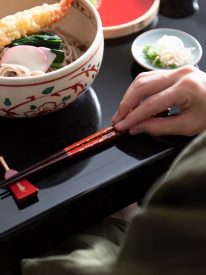
This gift set includes chopsticks lavishly decorated with a cherry blossom pattern and chopstick rests in the shape of hagoita, Japanese wooden paddles, with an auspicious rabbit design. Cherry blossoms, or sakura, have long been beloved in Japan and the impressive sight of them in full bloom has come to symbolize prosperity and abundance. Smooth…
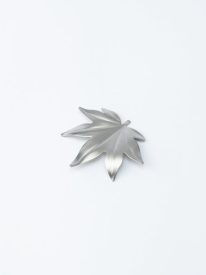
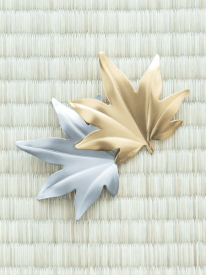
This is a stainless steel chopstick rest in the shape of a maple leaf in silver. It is made in Tsubame Sanjo, which accounts for 90 percent of domestic production of metal tableware.It expresses the soft thinness, undulation, and curves of a maple leaf, and is designed by Kaichiro Yamada, KAICHI DESIGN, which has won…
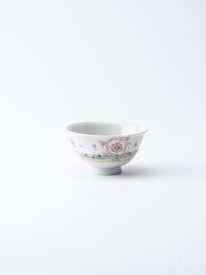
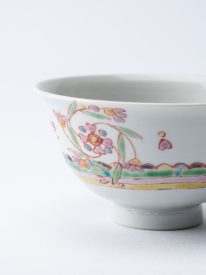
This rice bowl features flower petals delicately painted by artisans of Ginshu Kiln, which is especially known as its romantic and playful pastel colored painting. The painted areas have a slightly raised texture, a characteristic of Kutani ware, which is traditionally hand-painted using Japanese coloring pigments and a brush. With a diameter of 10.3 cm(4.1 in),…
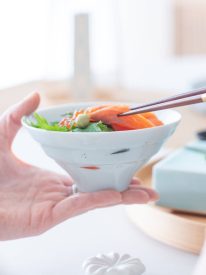
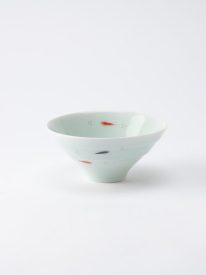
Enjoy the refined natural blue-green luster of celadon with this stylish Japanese rice bowl from Kosen Kiln. With its translucent glaze on the blue-jade hue of celadon, a tranquil atmosphere emanates from its glossy exterior, like the calm surface of a glistening pond. Adorning the surface of the rice bowl are Medaka rice fishes which are depicted…
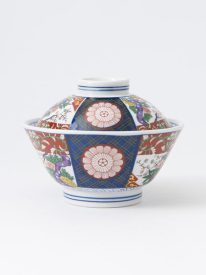
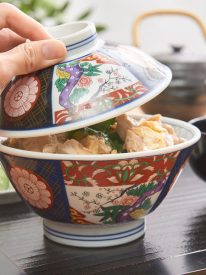
This small-sized Japanese donburi rice bowl features peonies, framed by dark blue, lattice-like patterns, all rendered in the traditional nishiki-e style. Nishiki-e, meaning “brocade picture,” is a multi-colored woodblock print technique that revolutionized ukiyo-e during the Edo period (1603-1868 CE), when most prints were in black and white. The lid helps keep the food warm and…

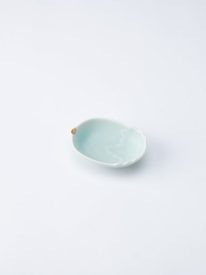 Moist Gold Gourd Shape Sauce Plate
 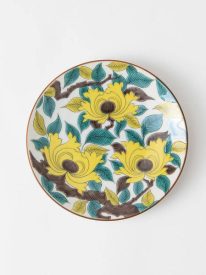 Yellow Peony Side Plate
 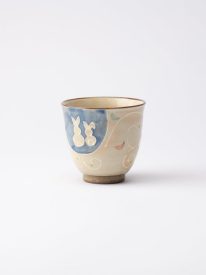 Aizen Kiln Indigo Blue Rabbit Hasami Children's Large Cup