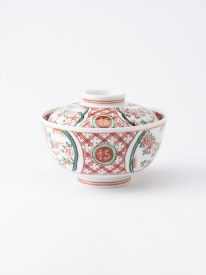
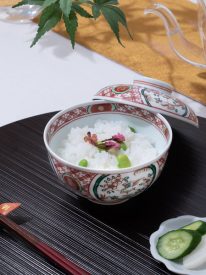
This is a kobachi small bowl with a lid, crafted from Arita ware porcelain. The bowl features a delicate design of flowers and grasses, decorated using the akae technique (overglaze red enamel), with red as the primary color, complemented by accents of green, purple, blue, and other shades. The same elegant pattern is painted on…
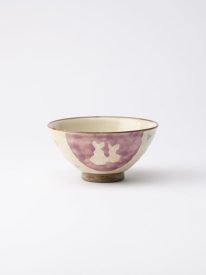
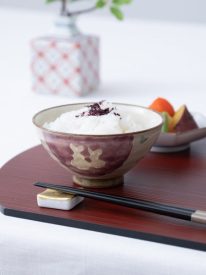
A beautifully handcrafted children’s rice bowl with an authentic Japanese feel. The charm of this rice bowl is in the hand-painted drawings.Two bunnies sitting side-by-side on a pink semi-circle with an Arabesque design are hand drawn on each piece. And differing shades of pink can be enjoyed with the watercolor painting style. The bunnies and…
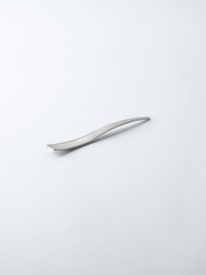
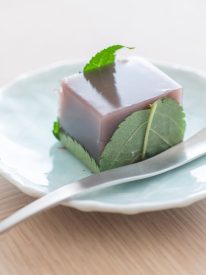
Introducing the tea spoon from the “URBAN” series, which harmonizes effortlessly with any type of dishware. It is produced in Tsubame-Sanjo, a region that accounts for 90% of metal utensil production in Japan. Unlike the design of a typical tea spoon, the entire spoon is shaped with a supple curve that resembles the flow of…
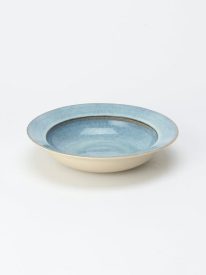
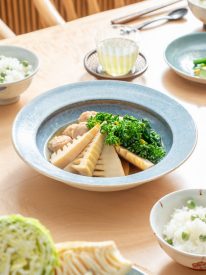
This versatile deep plate beautifully features the natural textures and hues of Shigaraki pottery. It’s offered by Homeland, a brand dedicated to providing kitchen items that become cherished tools in everyday life, and crafted in collaboration with Hissan Pottery, a renowned Shigaraki ware kiln. The delicate variations of blue in aohagifrom the soft light of…
This silver dinner plate is an exquisite piece of Arita ware. Its unique curved design and engraved patterns on the surface create an impressive table setting, elevating the presentation of any cuisine it holds. The gourd motif is considered as a lucky symbol in Japanese culture, representing prosperity and abundant offspring due to its plentiful…
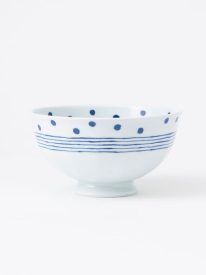
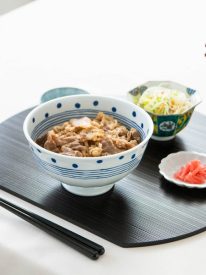
Adorned with blue lines with a hand-drawn feel and charming dots along both the inner and outer rims, this regular-sized donburi bowl has a simple yet modern look. This piece also has a pleasant weight and warmth to the touch that make it a delight to hold in one’s hands. The bowl is perfect for…
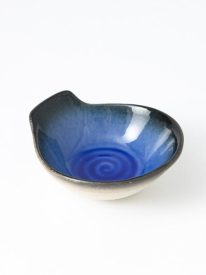
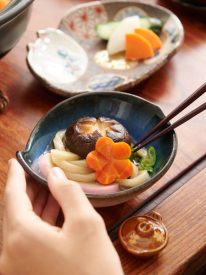
This bowl stands out with its stunning indigo glaze. The exterior has a slightly rough texture, preserving the natural warmth and character of the clay. Created with its unique shape as a tonsui, this bowl is primarily intended as a serving bowl for hot-pot dishes. It also works wonderfully for holding noodle dipping sauces or as…
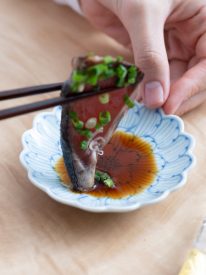
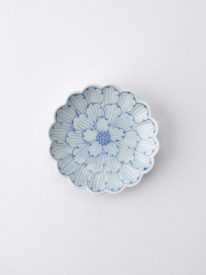
This easy-to-use chrysanthemum-shaped sauce plate showcases a boldly painted peony in blue. The chrysanthemum shape creates a gorgeous atmosphere. This plate is available in different designs, so you collect them for a more enjoyable table setting. Perfectly sized as a sauce plate, it is also versatile to serve cheese, nuts, condiments, and other small foods….
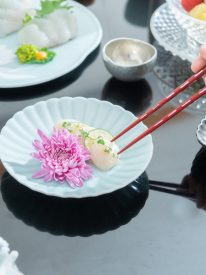
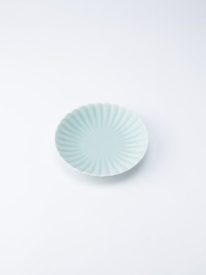
The graceful matte celadon texture of this chrysanthemum-shaped plate conveys tenderness the moment you touch it. Featuring intricate petals that beautifully enhance food presentation, this side plate is perfect for serving small confections or plating slices of sashimi. It brings sophistication to your table settings, adding a timeless charm to your dining experience. Celadon porcelain…
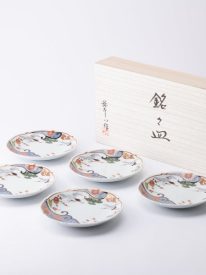
This set of five plates depicts a festive crane and waves. Decorated with other auspicious motifs such as pine, bamboo, plum, and chrysanthemum, it is perfect for celebrations and other occasions. These plates are beautifully decorated reflecting the high-quality craftsmanship handed down for generations within Arita Porcelain Lab’s long history. The technique displayed in this…
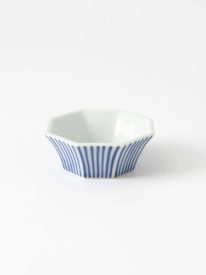
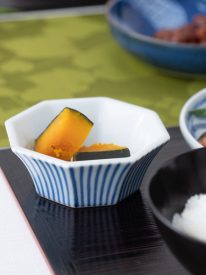
This octagonal kobachi small bowl features simple blue tokusa stripes shaded with delicate hand-painting. Tokusa, known as the horsetail plant, symbolizes longevity in Japanese culture. The indigo shade adds a modern touch, while the natural motif conveys the warmth of hand-painted craftsmanship. Perfect for serving small portions of side dishes like tangy sunomono or simmered nimono, it also…
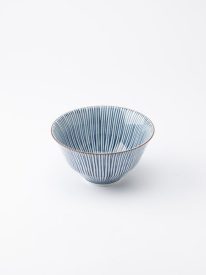
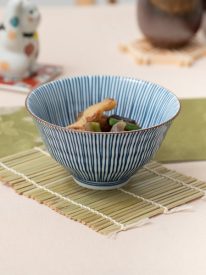
This small-sized donburi bowl from Fukuhou Kiln features the traditional Japanese tokusa “horsetail” pattern. Its depth helps retain the food’s warmth while adding a touch of style and practicality. Beloved since the Edo period (1603 CE-1868 CE), this pattern of straight vertical lines is inspired by the Japanese plant tokusa, known in English as rough…

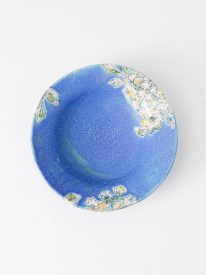 Wind's Path Deep Dinner Plate 8.7 in
 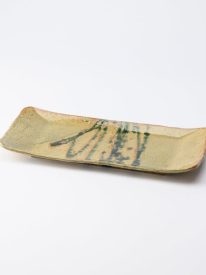 Musashi Kiln Brown Water Plant Mino Ware Long Plate